


Singapore as a Launchpad for US Listings: Audit and Compliance Essentials for Southeast Asian Companies Going Public in America
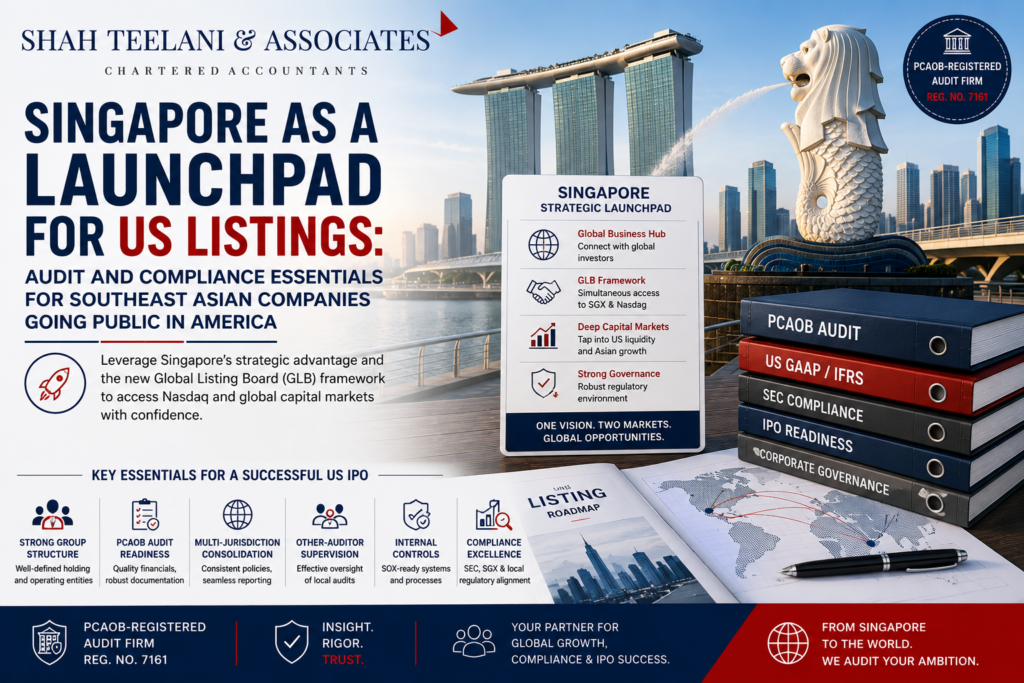
A Singapore US listing strategy is becoming increasingly relevant for Southeast Asian growth companies seeking access to deeper international capital markets. Singapore already serves as a regional headquarters and holding-company jurisdiction for fintechs, data center operators, artificial-intelligence infrastructure companies, software businesses, and private-equity-backed groups. Many of these companies generate their revenue across Indonesia, Malaysia, Thailand, […]
Japanese Companies Eyeing Nasdaq: PCAOB Audit Considerations When Transitioning from J-GAAP to US GAAP
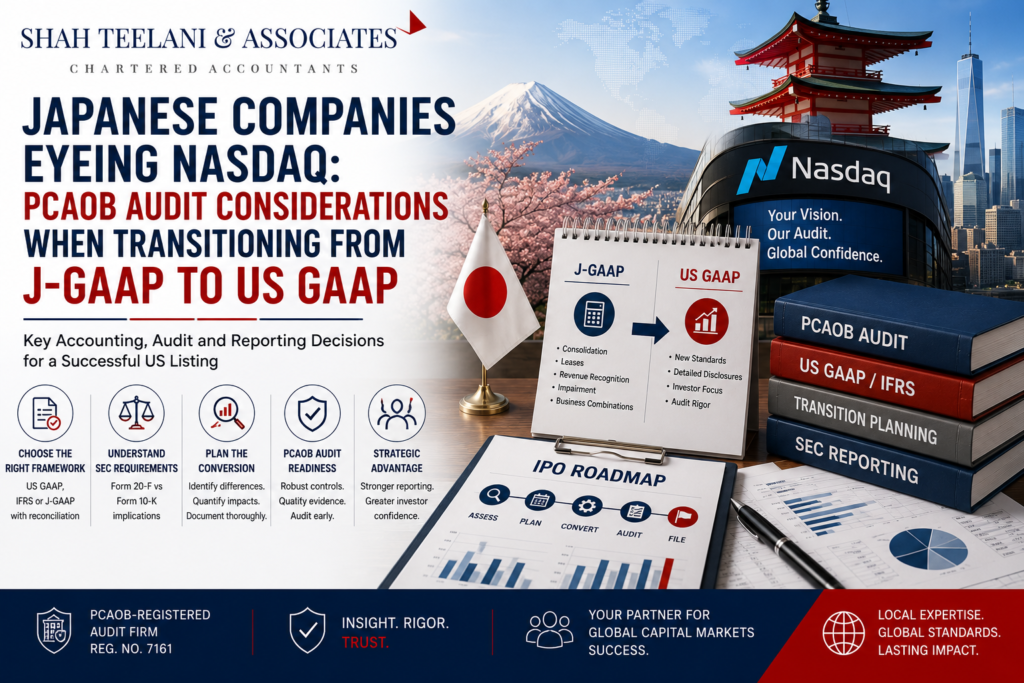
Japanese and Korean companies are drawing renewed attention to the U.S. capital markets, although recent transactions are taking very different forms. Seven & i Holdings originally planned a U.S. IPO of its North American 7-Eleven business for the second half of 2026. In April 2026, management revised that timetable and said FY2027 would be the […]
Form 20-F vs. Form 10-K: Which SEC Reporting Path Should Your Asian Company Choose — and How It Affects Your Audit
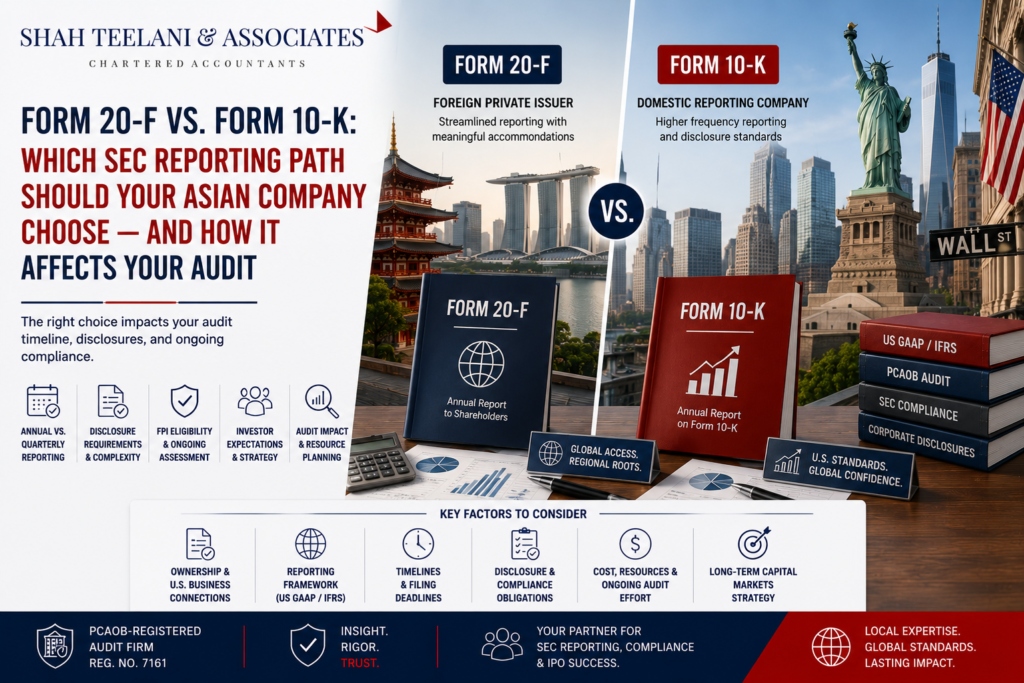
For an Asian company preparing to list in the United States, the choice between Form 20-F vs Form 10-K can affect far more than the name of the annual SEC filing. It can determine how quickly the annual audit must close, whether the company files quarterly financial statements with the SEC, how current events reach […]
De-SPAC vs. Traditional IPO for Asian Companies: Audit and Due Diligence Differences Under PCAOB Standards
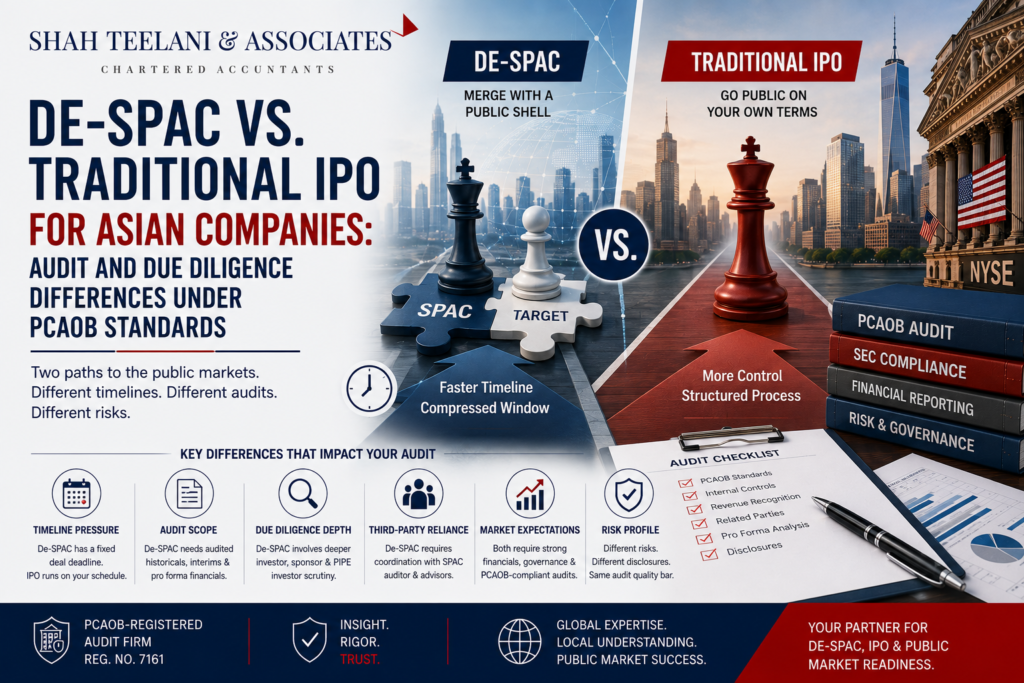
For an Asian company seeking access to the U.S. public markets, choosing de-SPAC vs traditional IPO affects much more than transaction structure. Both routes can ultimately place the company on Nasdaq or another U.S. exchange. Both require SEC-grade financial reporting. Both can require historical financial statements audited under PCAOB standards. However, the way the audit […]
